
Concrete Contractor in Ashland, CA - Driveways and Patios Built From the Base Up
Creekstone Hayward Concrete Company is a concrete contractor based in Hayward that builds driveways, patios, walks, steps and slabs in Ashland, CA, tearing out tired concrete and putting new work on a base dug out and packed properly.
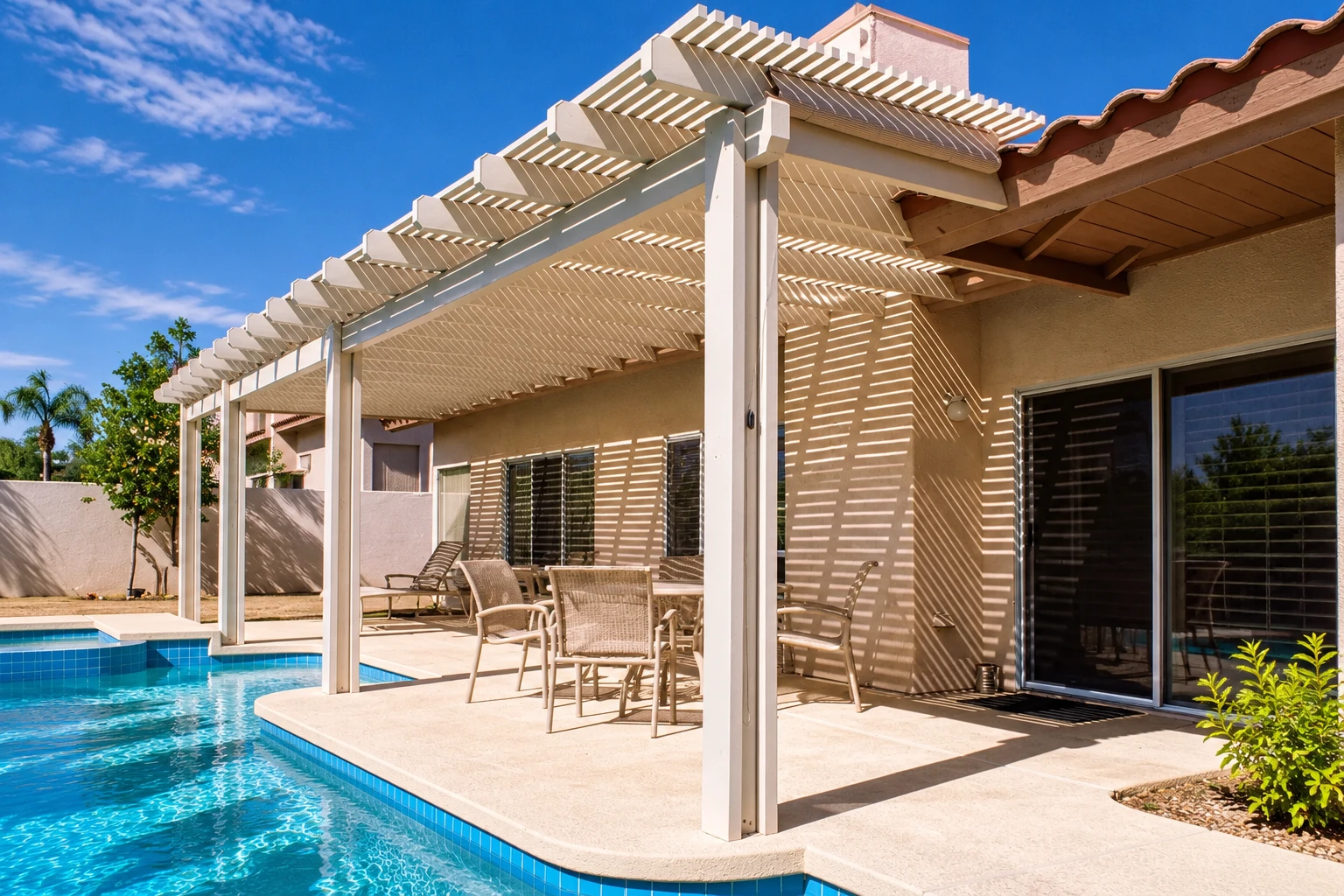
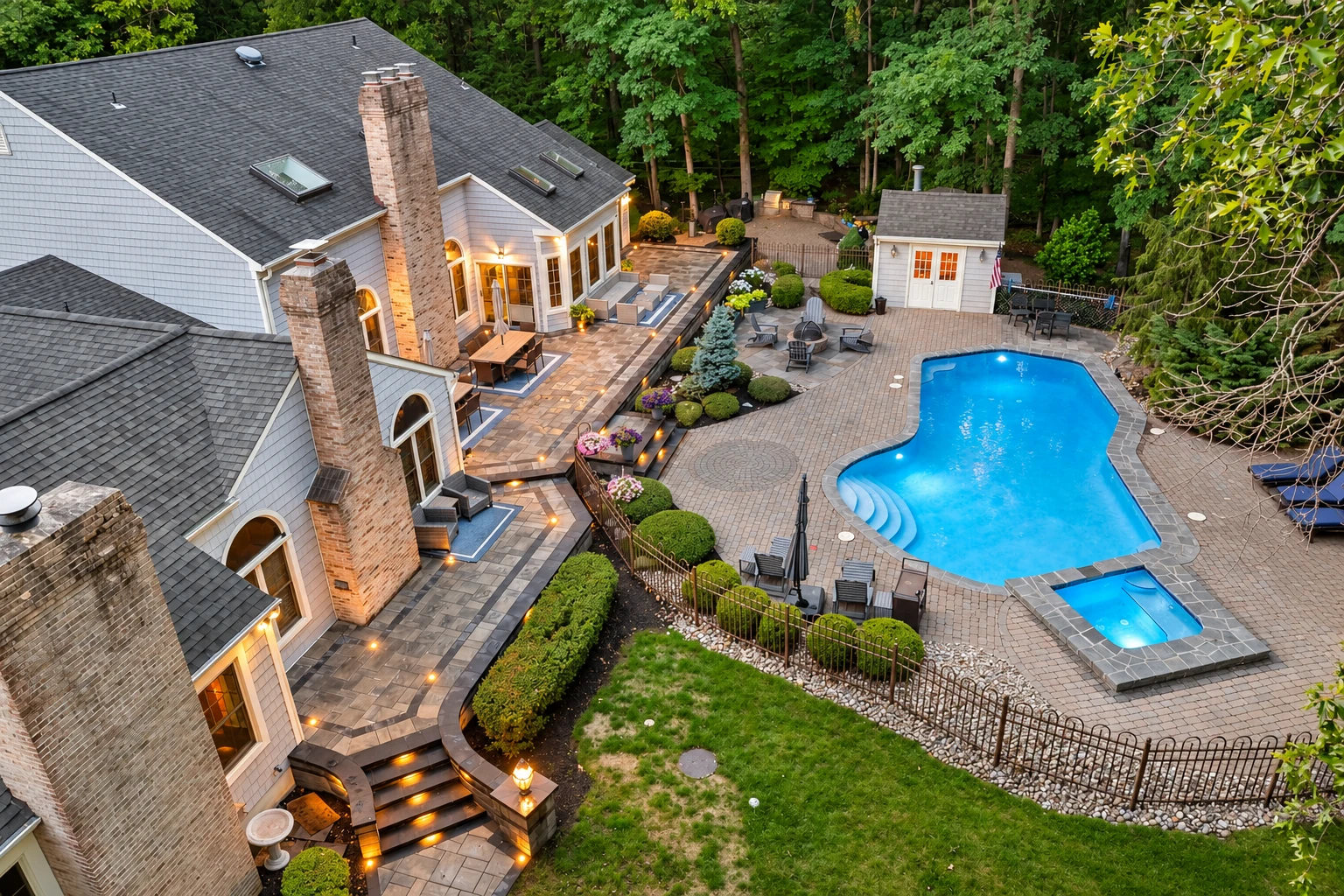
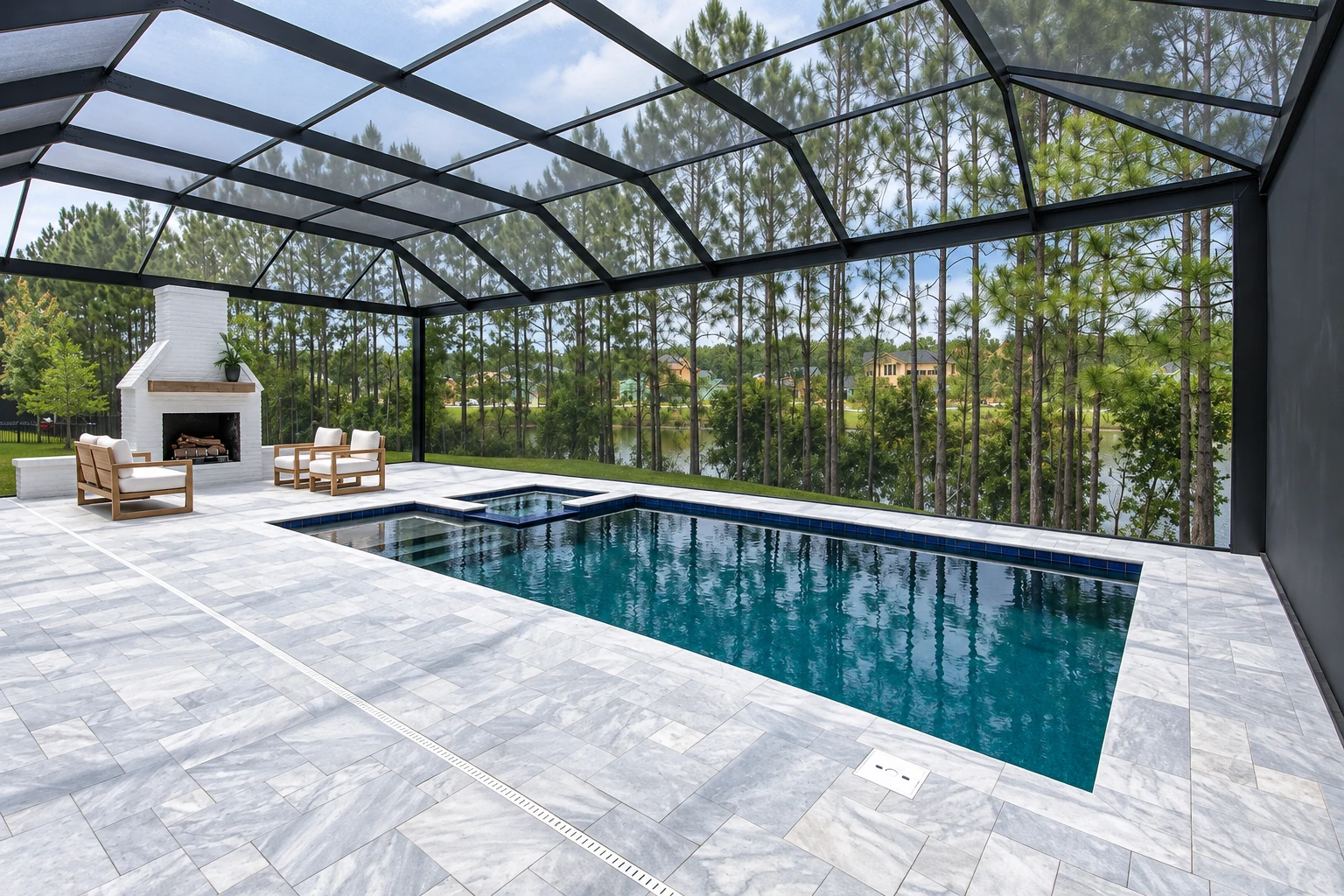
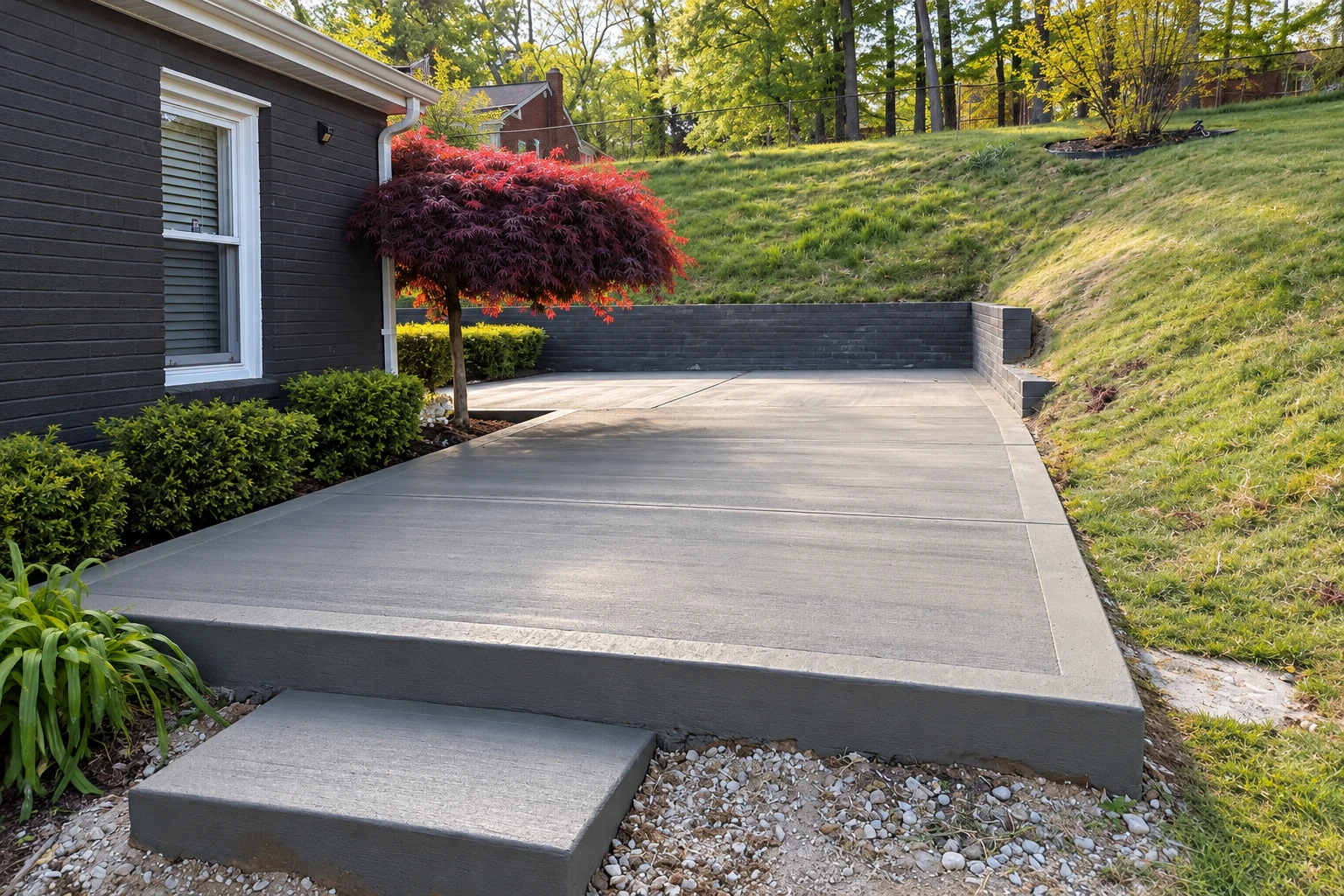
- Fully licensed and insured.
- Free in-person estimates.
- We respond within 1 business day.
Ashland homes sit close together on small lots
Ashland sits between San Leandro and Hayward, sharing borders with San Lorenzo and Cherryland, and it packs a lot into a small space. Shops and apartment buildings line East 14th Street, and the side streets off it are mostly single-family houses on narrow lots, many with a short driveway, a small backyard patio and a walk to the front door.
A lot of those houses are older, and so is the concrete. We see driveways that were poured straight onto the dirt, patios that tip toward the back door and walks broken up by roots. On a lot this size there's little room to stage forms or park a truck, and the old slab usually has to come out in pieces before we can see what the ground underneath is like.
Concrete work we do on Ashland properties
Concrete driveway building
Ashland driveways tend to be short, narrow and cracked through with age, so we tear out, dig to firm ground and pack a new base before pouring.
Concrete patio construction
On a small backyard a patio is often the whole usable yard, so we set its slope to carry rain away from the house and the fence line.
Stamped concrete services
Stamped concrete presses a stone or brick pattern into the surface, a good fit when an older Ashland house needs a patio that looks less plain.
Concrete sidewalk building
Walks heaved by roots or sunk at the joints trip people up, so we replace the bad sections and match the new concrete to what's beside it.
Garage floor concrete
Older garages here often have thin, cracked floors with an oil-stained dip in the middle, and a new slab over a packed base gives you a level floor.
Decorative concrete
Colored concrete, a pebble-surface finish and scored patterns let a small front yard or entry look finished without adding upkeep, and they wear well underfoot.
Concrete retaining walls
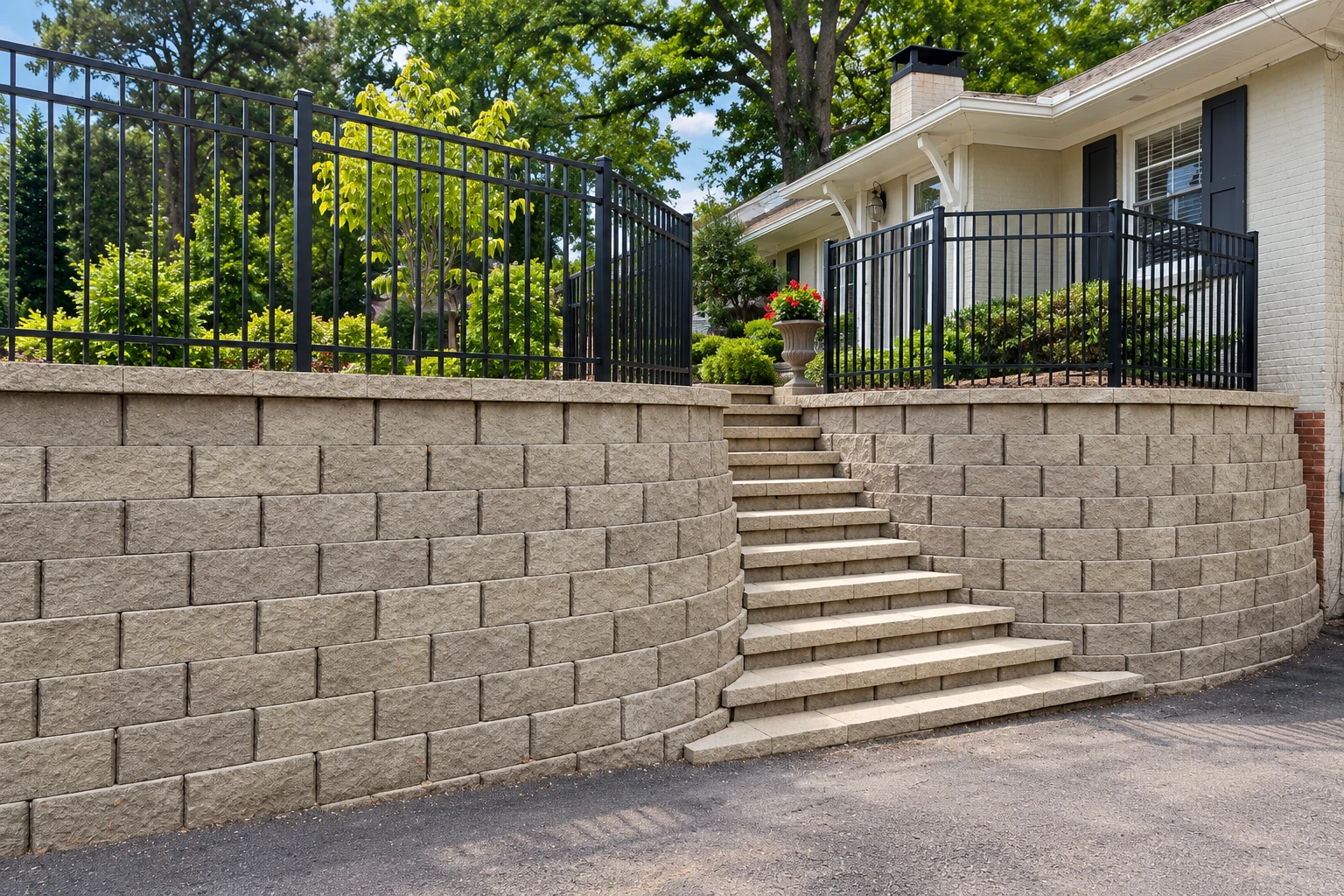
Where a yard drops toward the driveway or the neighbor's, a concrete wall with drainage behind it keeps the soil from slumping onto your slab.
Concrete floor installation
For a shop, storage building or room addition, we pour an interior floor flat and level enough for what goes on top, over a packed base.
Concrete pool decks
Pool decks around older backyard pools crack and lift, so we replace them with a textured surface that grips wet feet and drains away from the pool.
Concrete steps construction
Front steps on older houses here are crumbling at the edges or pulling away from the porch, and we rebuild them with even step heights and steel inside.
Slab foundation building
For a garage, backyard unit or addition on a tight lot, we pour the slab foundation on a packed base with the steel the plans call for.
Foundation installation
When a house or new building needs a full foundation, we dig, form and pour it to the engineer's plans, working around the tight access here.
Concrete parking lot building
Apartment buildings and small shops along East 14th Street need lots that drain and carry traffic, so we pour thicker slabs over a deeper base where cars turn.
Concrete footings
Fences, decks, posts and small additions all need footings, the concrete pads that spread the load into firm ground, dug to the depth the job calls for.
Foundation raising
When part of an older house has settled and doors start sticking or floors slope, raising and supporting that section can bring it back closer to level.
Concrete cutting
We saw-cut openings, trenches for a new drain line or a clean edge where old concrete meets new, so a repair doesn't mean tearing out the whole slab.
Get a written concrete estimate for your Ashland job
Send the form and we'll get back to you within one business day to set a time. I come out, measure the job myself and send a free written estimate, with no obligation to go ahead.
(510) 264-7080- Based in
- Hayward, CA 94541
- Hours
- Mon–Sun: 7 AM–11 PM
Working in Ashland: county permits and what we check
Ashland doesn't have a city government, so there's no city permit counter to visit. It's an unincorporated community, and Alameda County's building inspection office issues the permits and does the inspections for private construction here. When your job needs a permit we file it, and if the work reaches the county road or the public sidewalk, like a driveway apron at the curb, we set the start date around the county's review. Before you hire anyone, check their state contractor license and ask whether they pay the county business license, which the county requires every year of anyone doing business in its unincorporated areas, even a company based in a city that already licenses it.
We're based in Hayward and take jobs on both sides of the bay, and Ashland sits right between our Hayward and San Leandro work, so getting a crew and a truck here is easy. The price on a job here turns mostly on how much old concrete comes out, how deep we dig to reach firm ground and how hard it is to get concrete to the back of a small lot. The schedule turns on the county's review when the work needs a permit and on the weather around pour day, and your written estimate puts a figure on your job.
Old base and moving ground wear out Ashland concrete
Most of the failed concrete we tear out here didn't fail on top. It failed underneath, where the subgrade, the dirt and gravel the slab sits on, was raked level instead of dug out and packed, so it settled and took the slab down with it. We dig to firm ground, bring in base rock and compact it in layers, and we check where the water runs so the new slab falls away from your house. Nobody sees that part once it's poured, which is exactly why it's the first thing a cheap bid cuts, and it's the last place I'd save you money.
Earthquake fault zones and seismic hazard areas run through Alameda County, including heavily populated stretches of the Hayward Fault. That doesn't put any particular lot in a zone, and no slab stops the ground from moving, but it's why we put rebar, the steel bars that tie a slab together, in driveways and slabs that carry weight, so a crack is more likely to stay tight instead of opening up.
How a concrete job runs when you call us from Ashland
Here's what happens from your first call to the final walk-through, and who you'll be dealing with at each step.
Call or send the form
Call (510) 264-7080 or send the form and tell us what you've got, a driveway, a patio, a sunken walk. We set a time for me to come out, and you don't need to know the square footage, because measuring is my job.
I measure and write it up
I come out myself, measure, and ask what the concrete has to carry and how you use the space, so it helps if you're home for it. The written estimate spells out what goes under the slab as well as what goes on top, so you can see where your money goes and compare it against other bids.
We handle permits, then pour
If you go ahead, we file with the county when the job needs a permit and plan the start around the county's review when the work reaches the road or sidewalk. Then our crew digs out, packs the base, sets the forms, pours and finishes, with me on site running it.
We walk the job together
When the pour is done, I walk it with you, tell you when you can walk and drive on it, and show you where the joints are and why. Our work is backed by our satisfaction guarantee.
Questions about concrete work in Ashland
How do I apply for a building permit for concrete work in Ashland, CA?
You apply through the Alameda County Permit Portal, where owners and contractors file permit applications, send in plans, book inspections and check a permit's status. If you'd rather not deal with it, we check whether your job needs a permit and file it as part of the work.
When does a concrete contractor need a California state license?
The Contractors State License Board requires a license when the job needs a building permit, uses any hired workers, or costs $1,000 or more in labor and materials. A driveway or patio replacement with a crew easily crosses those lines, so ask anyone bidding your job for their license. We're fully licensed and insured.
How much does a new concrete driveway cost in Ashland?
The cost of a driveway in Ashland comes down to the size and thickness of the slab, how much old concrete has to come out, and how deep we dig before we hit firm ground. Steel, a decorative finish, a tight lot where the truck can't reach and work at the curb that needs a county permit all add to it. I measure on site and give you the number in writing, with the base and the surface laid out so you can see what you're paying for underneath.
How long before I can drive on a new concrete driveway?
You can usually walk on new concrete after a day or two, but give it about a week before you park a car on it. That wait is curing, the stretch when concrete hardens and gains strength, and driving on it early can crack a slab that looked fine. Weather and thickness move those dates, so I'll give you yours at the walk-through.
What is the best time of year to pour concrete in Ashland?
May through September is the easiest stretch, because virtually all of the county's rain falls between October and April. We do pour in the wet months, but we watch the forecast and hold off when rain is coming, since rain on fresh concrete can ruin the surface. In summer we start early, because concrete finished in midday heat can end up with a weak, dusty top.
Will my new concrete driveway crack like the old one?
Probably a little, because concrete cracks, and I'd rather tell you that now than explain it later. What we can control is where it cracks, so we cut control joints, shallow grooves that give the slab a straight line to crack along, soon after the pour so the cracks land there instead of wandering across the middle. The packed base we talked about above is what keeps the pieces from sinking the way the old slab did.
Hayward, CA
Get your Ashland concrete job measured
A sinking section usually gets worse as water works under it, so a look now can mean replacing one piece instead of the whole driveway.